
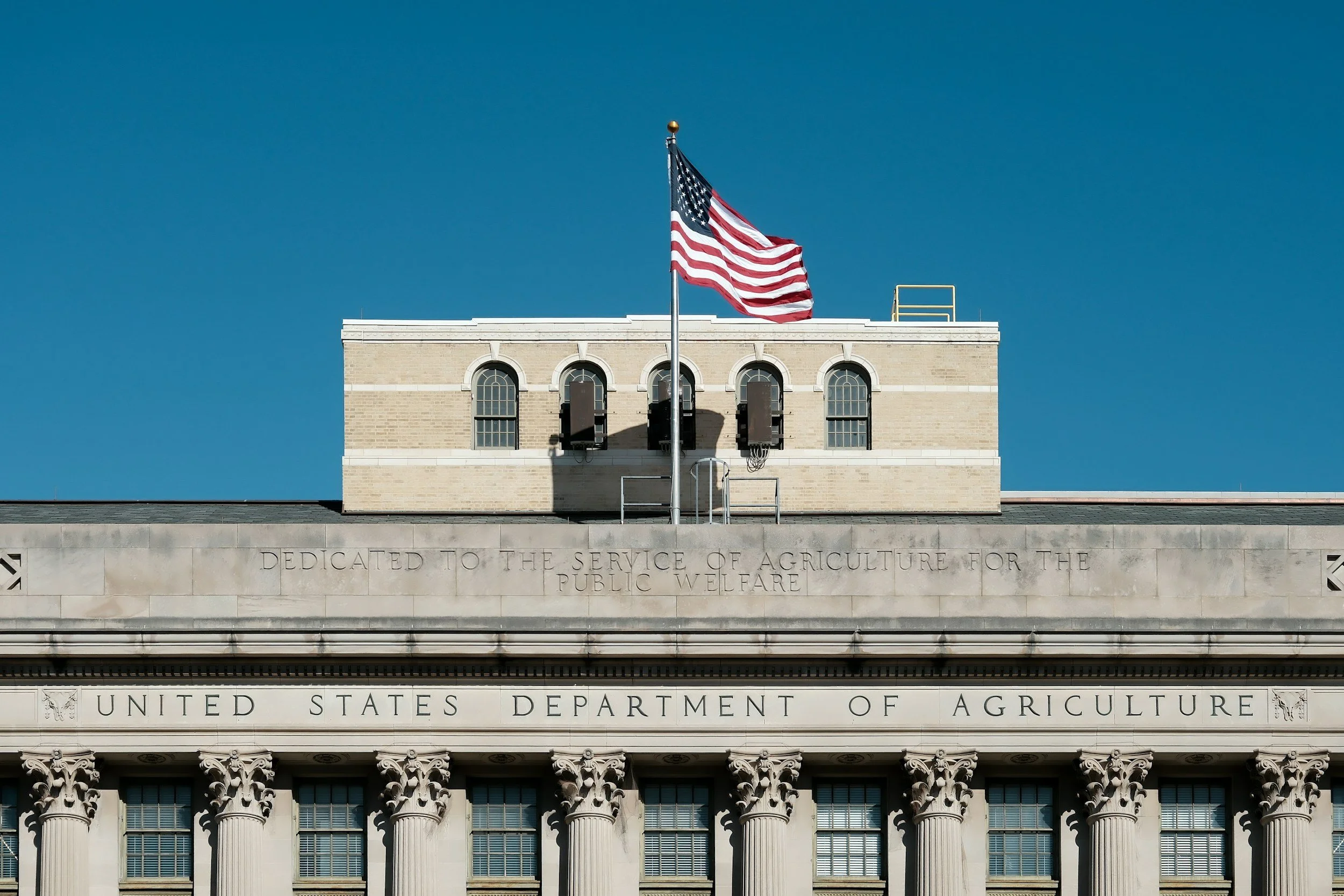
You may have heard the statistic that over 500,000 U.S. birds per year are scalded alive in scald tanks after being improperly slaughtered. This statistic stemmed from the United States Department of Agriculture’s (USDA’s) National Agricultural Statistics Service (NASS), which publishes annual reports on poultry slaughter and includes data on “cadavers.” See Poultry Slaughter Annual Summary, USDA, https://esmis.nal.usda.gov/publication/poultry-slaughter-annual-summary (last visited May 27, 2026).
Cadavers are “poultry showing evidence of having died from causes other than slaughter.” 9 CFR § 381.90.
Legal Impact for Chickens (LIC) discovered that as of 2021, the number of reported cadavers significantly decreased. But also as of 2021, NASS included an “unknown” category in its reports. After much investigation, LIC uncovered that NASS updated its reports to match the New Poultry Inspection System (NPIS), which is an inspection system where establishment employees (rather than the USDA’s Food Safety and Inspection Service, or FSIS, itself) sort and remove carcasses before presenting them to FSIS inspectors. NPIS establishment employees are not required to denote “non-food safety” reasons for removing or “condemning” carcasses. This means a large number of birds who would have been condemned as cadavers are now captured in the unknown category, enabling the USDA and establishments to withhold data and information about cadavers. This also likely means that the significant decline in reported cadavers is attributable to this change in data collection rather than any reduction in pre-slaughter mortality.
In response to this information gap, LIC commented on the USDA’s notice requesting to renew its information collection under the NPIS. See Notice of Request To Renew an Approved Information Collection: New Poultry Inspection System, 91 Fed. Reg. 16,894 (Apr. 3, 2026) (Docket No. FSIS-2026-0067).
LIC urged the USDA to collect cadaver data for NPIS establishments, arguing that this information gap impairs FSIS’s ability to protect public health and ensure that poultry products are safe, wholesome, and properly labeled.
LIC’s comment explained, in part, that by failing to collect cadaver information, “FSIS cannot readily distinguish routine mortality from mortality that may be linked to disease or abnormal conditions. This further limits FSIS’s ability to identify trends and concerns that warrant closer scrutiny and weakens early detection, reducing the chance for timely intervention.” Read LIC’s full comment here.
Seeking Transparency for the Half Million Birds Scalded Alive: LIC Comments on USDA Notice
~
Thank you for reading a post on the LIC Blog! Views expressed in these blog posts are those of their authors and do not necessarily reflect the view of Legal Impact for Chickens.
Previous
Previous
Cruelty = Liability: The Legal Reasons Why Corporations Must Think Carefully About Their Animals’ Welfare
Next
Next