
Signed, Sealed, and Delivered on behalf of Maine’s Farmed Fish!
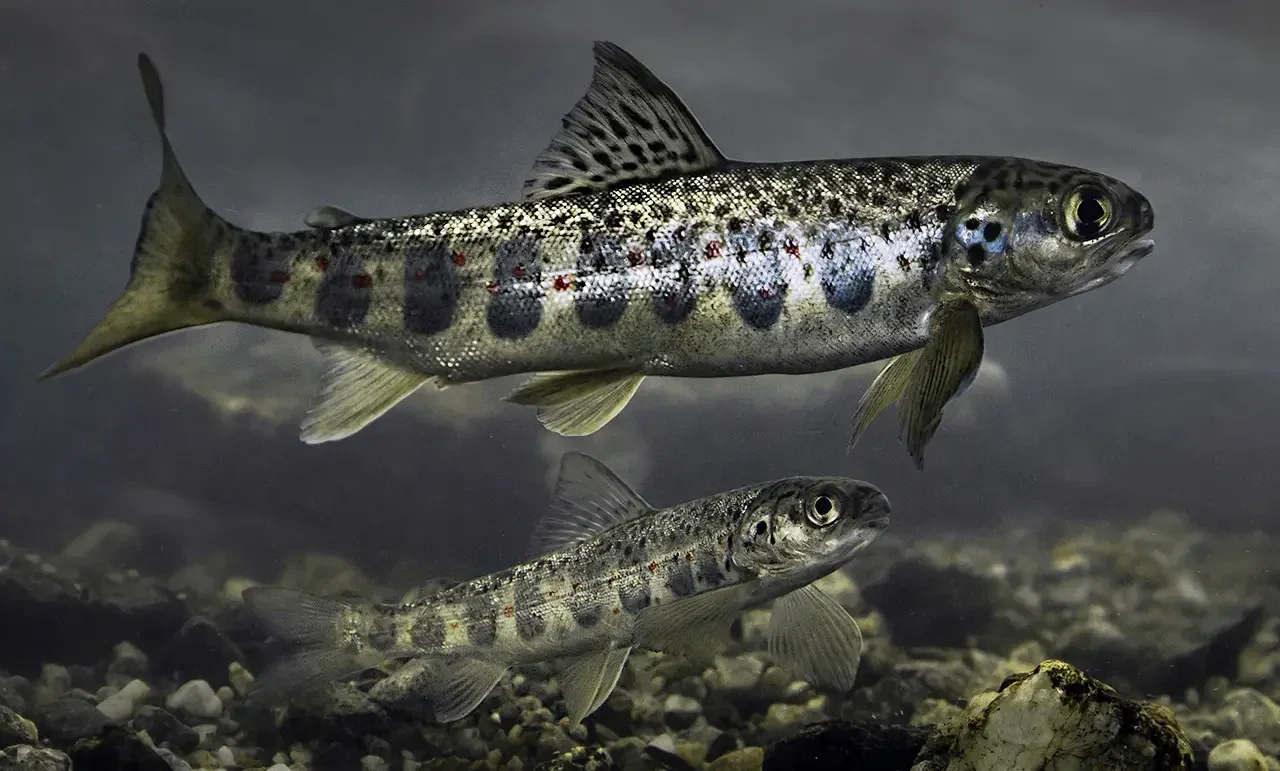
Credit: Perhols
Over the past several months, Legal Impact for Chicken’s Staff Attorney, Ashely Monti, travelled across her state of Maine to collect citizen signatures for an agency petition that Animal Outlook submitted last week, on September 24, on behalf of over 150 Maine citizens. The petition was submitted to the Maine Department of Agriculture, Conservation and Forestry (DACF) and urged the agency to add “best management practices”—in other words, animal welfare standards—for farmed fin-fish throughout the state.
Why is this petition important?
In 2019, Animal Outlook investigated an aquaculture facility in Maine. The investigation documented rampant cruelty, including workers slamming fish on the ground, fish suffocating in buckets with other dying or dead fish, and extremely crowded conditions, among other cruelties. See Aquaculture: A Sea of Suffering Animal Outlook, https://animaloutlook.org/investigations/aquaculture/ (last visited Sept. 24, 2021). When Animal Outlook returned to the same facility in 2025, its investigator documented cruelty once again, which remains unregulated in Maine.
Fish are sentient, conscious, and capable of feeling pain and suffering. The petition explains and cites the overwhelming scientific evidence indicating that fish are sentient. And Maine’s animal cruelty laws apply to “every living, sentient creature not a human being.” See 17 M.R.S. § 1011(2); 7 M.R.S. § 3907(2).
In light of the number of animals bred, raised, and slaughtered in Maine’s aquaculture industry, it is concerning that Maine’s regulatory scheme contains virtually no measures to implement the state’s animal welfare laws and protect their well-being. And because aquaculture is a rapidly growing industry, it’s important now more than ever for Maine to add meaningful regulations to protect these vulnerable animals. See Me. Dep’t of Marine Res., Aquaculture Lease Decisions, https://www.maine.gov/dmr/aquaculture/maine-aquaculture-leases-and-lpas/aquaculture-lease-decisions (last visited Sept. 24, 2026) (tracking the rising number of active and pending aquaculture leases across the state’s waterways).
The petition also explains that this gap in Maine’s regulatory scheme is a health concern not only for the animals but also humans. Industrial aquaculture poses direct and substantial risks to human health and food safety. The conditions under which fish are bred, housed, treated for disease, and held prior to slaughter directly affect the safety of the food supply and the workers who interact with these animals. The petition illustrates that “[w]here welfare safeguards are weak or non-existent, disease pressure increases, antibiotic, antifungal, and agrochemical use escalates, and the risk of contaminated or adulterated food entering the market rises.”
But what does the petition propose?
The proposed best management practices reflect current scientific understanding of stress, immune health, and injury and disease prevention. They address the primary areas impacting welfare across the production cycle, including “operational oversight and training, disease prevention and mortality response, broodstock and early-life management, humane handling, stocking density, water quality, feeding practices, transport, slaughter, and emergency planning.” The proposed best management practices emphasize the need to prevent avoidable pain, injury, chronic stress, disease, and mass mortality by requiring clear standards, monitoring, corrective action, and veterinary involvement.
Specifically, the proposed rule would require facilities to, among other things:
maintain a written code of conduct;
impose a zero-tolerance policy for abuse, such as throwing, striking, or suffocating fish;
report abuse to the DACF within 48 hours;
provide welfare and biosecurity training for staff;
conduct welfare monitoring;
implement corrective action in consultation with an aquatic veterinarian;
control sea lice to be as low as possible;
phase out cleaner fish within six months;
avoid fin clipping and other mutilations;
promptly euthanize fish with moderate or severe disease or injury;
limit the time conscious fish may spend out of water to 12–15 seconds unless they are sedated;
add environmental enrichment and maintain stocking densities so that fish may behave naturally;
confirm with a veterinarian whether fish are fit for transport; and
follow the American Veterinary Medical Association’s guidelines on slaughter.
What happens next?
In Maine, agencies that receive petitions signed by over 150 registered voters are required to initiate the rulemaking process within 60 days of receiving the petition. See 5 M.R.S. § 8055. Ashely collected signatures from over 150 registered voters across 24 cities! This means, by law, the DACF must initiate the process to promulgate the rules proposed in the petition within 60 days. To track this petition or for more information, contact Animal Outlook.
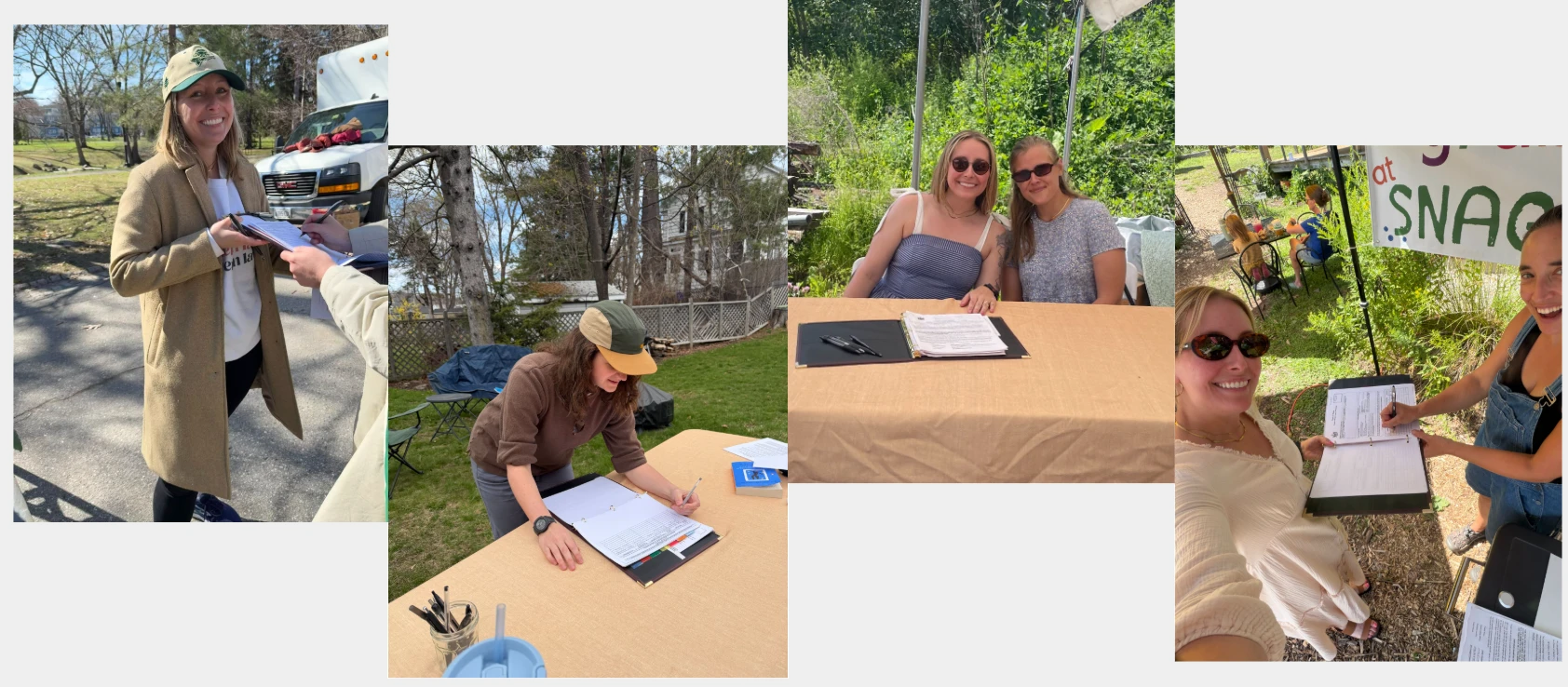
Ashely out in the field collecting signatures!
~
Thank you for reading a post on the LIC Blog! Views expressed in these blog posts are those of their authors and do not necessarily reflect the view of Legal Impact for Chickens.